AI meeting tools for solar sales teams — what to look for
Solar sales has a specific shape — site visits, quotes, finance, decision-maker presence. Most AI meeting tools are tuned for generic B2B and miss it. Here is what actually matters.
- #industry
- #solar
- #sales
- #discovery
- #ghl

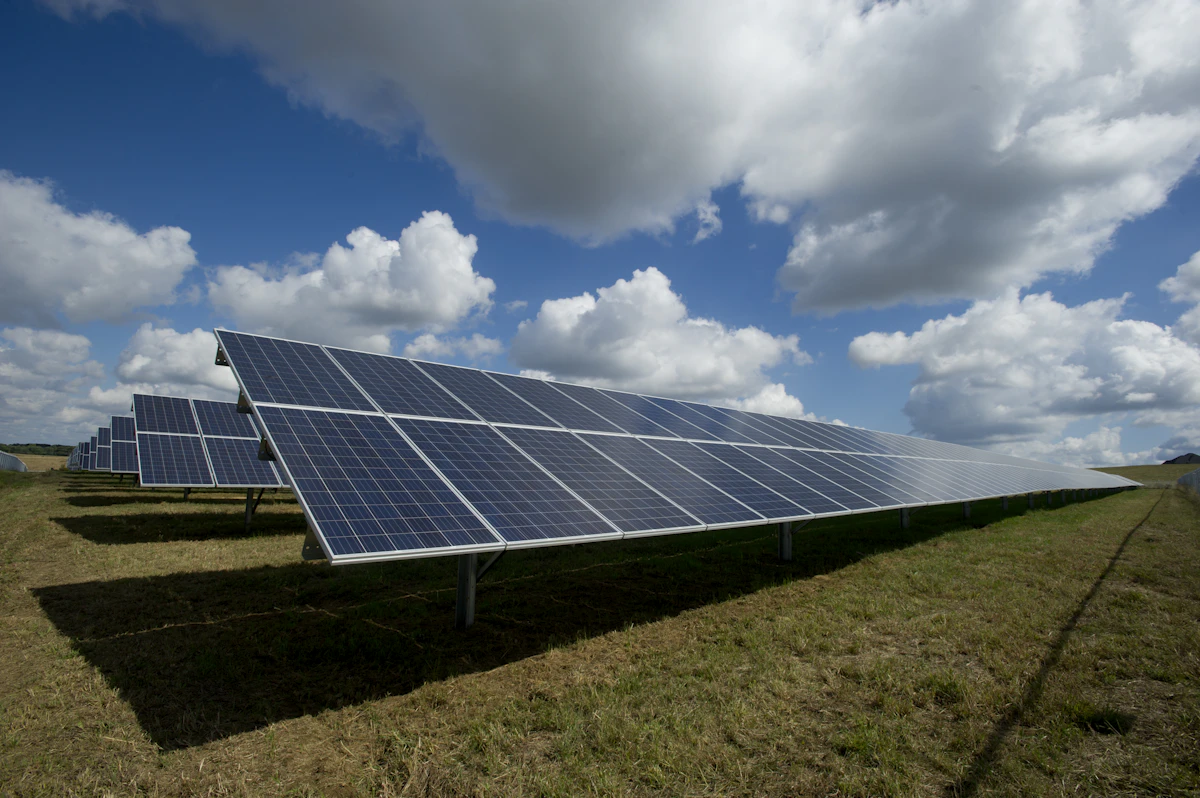
Solar sales teams get pitched generic meeting AI built for SaaS sales calls. The shape doesn't fit. Your meetings aren't 30-minute Zoom demos. They're 90-minute site visits with a homeowner in their kitchen, follow-up phone calls about finance options, and the occasional commercial-rooftop conversation with a procurement team that doesn't know what good looks like.
If you're shopping AI meeting tools and your business is solar, this is the buyer's guide.
“Solar sales doesn't fail on the call. It fails in the 14 days afterwards. The AI tool you pick has to close that gap.”
The five things solar sales teams actually need
**Site-visit capture that works on mobile.** Your sales reps are on a roof, in a driveway, at a kitchen table. They're not on a laptop. Whatever tool you pick has to work on phone and tablet, in landscape and portrait, with patchy cellular — and the capture interface has to be one-handed because they need the other hand for measurements or pointing.
**Qualification that catches the deal-killers early.** Solar has specific red flags: roof age over 20 years, shade from neighbouring trees, HOA approval requirements, panel-finance preferences that don't match what you sell. A discovery script tuned for solar names them; a generic checklist misses them.
**Follow-up that doesn't sound like a brochure.** Homeowners are getting three quotes. The follow-up email that wins is the one that uses *their* phrasing about why they're doing this — saving money, environmental motivation, going off-grid, supporting a teenager who's home all day. AI that doesn't capture and reuse the homeowner's language ends up sending the same template to everyone.
**CRM push that fits how solar teams actually work.** Most solar sales teams run on GoHighLevel, Monday.com, or a vertical-specific CRM. The AI tool you pick has to push the outcome — contact + tags + custom fields + opportunity stage — to the right system without you copy-pasting.
**Scheduling that doesn't make the homeowner work.** Site visits are the bottleneck. The booking page has to handle round-trip drives, equipment loading, and the reality that you can do four site visits a day, not eight. Look-busy mode and per-page daily caps matter more in solar than in any other vertical.
The three features most tools fail at
**Real qualification, not just transcription.** Otter, Fireflies, Fathom — they all record the meeting and produce a summary. None of them know that 'we're getting three quotes' is the most-important phrase in a solar discovery call. A solar-tuned discovery guide with red-flag callouts does. If the tool you're evaluating doesn't ship industry-specific guides, you're paying for transcription and re-doing the qualification work yourself.
**CRM push, not just CRM export.** Many tools claim CRM integration but what they actually do is push a transcript link as a note. That's not integration. Real CRM push writes the contact, tags the qualification stage, sets custom fields (roof type, system size, finance preference), creates a follow-up task with a due date, and updates the opportunity stage — in one click, with no manual entry.
**Multi-workspace for solar businesses with multiple brands.** If you run a residential brand and a commercial brand under the same parent company, you need them on separate workspaces with separate Google accounts (so invites come from the right brand) and potentially separate CRMs. Most meeting AI assumes one company, one workspace, and forces you into separate accounts if you have two brands. That breaks down at scale.
Specific qualification questions for solar
If you're picking a tool, ask the vendor what their default discovery guide for solar looks like. If they don't have one, that's the answer. If they do, look for these questions in it (in this order, ideally):
Current monthly bill (rough, summer and winter). Roof age and orientation. Decision-makers in the household (the one who *isn't* in the room is the silent killer). Finance vs cash preference. Timeline to install (anyone saying 'next month' has a 4-month project; the guide should flag this). Existing renewable installations (battery, EV charger, heat pump). HOA or council restrictions. Previous quotes received from other installers — and how recently.
A guide that captures these in the right order, with red-flag callouts attached to the answers that matter, is the difference between a 25% close rate and a 35% close rate. Detailed in why discovery guides beat checklists.
Why CRM push matters more in solar
Solar deals don't close on the call. They close 7–21 days later after the homeowner has compared three quotes, talked to a spouse, looked at finance options, and finally come back. The CRM is what holds the lead alive during that window — last-touch dates, automated nurture sequences, scheduled follow-ups, the financial calculator output.
If your meeting AI captures everything in the call and then *doesn't* push the structured outcome to your CRM, all that capture is wasted. The lead goes cold not because the meeting was bad, but because the operational follow-through wasn't connected. The CRM push is the bit that closes the gap between 'good meeting' and 'paid install'.
What to ignore in the marketing
Vendors love to talk about 'AI accuracy' and 'transcript quality'. Mostly irrelevant for solar. The sales rep was there; they remember the conversation. What matters is what the tool does with the conversation — the qualification, the follow-up, the CRM update — not whether the transcript is 99% or 97% accurate.
Ignore feature counts. The tool that ships 12 vertical-specific guides is worth more than the tool that ships 80 generic ones.
Ignore the bot-joins-every-call sales pitch. Solar isn't a Zoom-heavy industry; half your meetings are in person. A tool that requires a Zoom bot to function is solving the wrong problem for solar.
How Briefi fits
Briefi ships a solar discovery guide by default. It supports mobile-first capture for site visits. It pushes to GoHighLevel and Monday natively (plus eight other CRMs if you've moved on). It handles multi-workspace if you run a residential and a commercial brand. And it's not built around a Zoom bot — browser-native recording is in for the occasional virtual call, but the product assumes most of your meetings are face-to-face.
If you want to walk the loop end-to-end, the solar use case page is the closest thing to a guided tour. The full product surface is on product, and the founder's view of why workflow tools beat transcription tools for operator-led businesses is in Briefi vs Otter.


Comments are coming. For now, reach out via hello@briefi.sh or share your reaction on LinkedIn.